


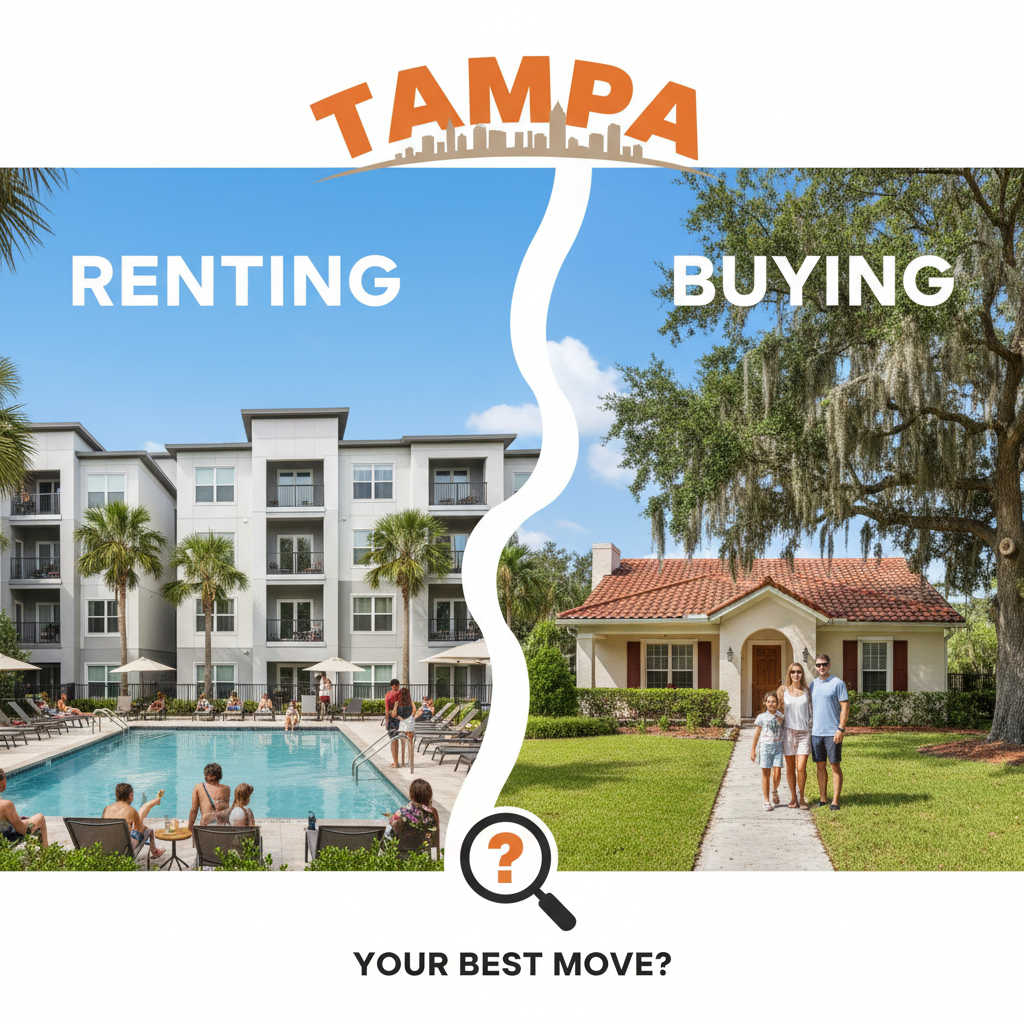
Tampa has become one of the fastest-growing cities in Florida. Its sunny weather, vibrant neighborhoods, and economic opportunities make it attractive for both residents and investors. But when moving to Tampa, many people face the crucial question: Renting vs. Buying in Tampa. Choosing the right path can affect your finances, lifestyle, and long-term wealth. In this blog, we will explore the pros and cons of renting and buying, financial considerations, and lifestyle factors to help you make the best decision.
Why Tampa is a Popular Place to Live
Tampa’s appeal lies in its combination of city life and natural beauty. The city offers beautiful beaches, a growing job market, and diverse cultural attractions. Families, young professionals, and retirees all find reasons to settle here. Additionally, Tampa’s housing market has been steadily growing, creating both opportunities and challenges for homebuyers and renters. Understanding the local market is essential before deciding between renting or buying.
Financial Overview: Renting vs. Buying in Tampa
Financial factors often play the biggest role in the decision-making process. Tampa’s housing market has seen rising home prices in recent years, making homeownership a significant investment. Renting, on the other hand, offers flexibility and fewer upfront costs. Here’s a detailed comparison:
Renting Costs in Tampa
Renting in Tampa typically requires a security deposit and monthly rent payments. For a one-bedroom apartment in popular areas like Hyde Park or Downtown Tampa, rent averages between $1,800 and $2,400 per month. While renting avoids property taxes and maintenance costs, long-term renting can add up without building equity.
Buying Costs in Tampa
Buying a home involves a mortgage, property taxes, insurance, and maintenance costs. The median home price in Tampa recently hovers around $400,000, although this varies by neighborhood. Buyers must also consider closing costs, which can range from 2% to 5% of the home price. However, homeownership builds equity, which can be a long-term financial advantage.
Pros and Cons of Renting in Tampa
Understanding the benefits and drawbacks of renting is essential when evaluating your options.
Pros of Renting
- Flexibility: Renting allows easy relocation if your job or lifestyle changes.
- Lower Upfront Costs: No need for a large down payment.
- Maintenance-Free Living: Landlords handle repairs and upkeep.
- Access to Amenities: Many Tampa apartments offer pools, gyms, and community spaces.
Cons of Renting
- No Equity Building: Rent payments do not contribute to ownership.
- Rent Increases: Prices can rise annually, affecting budgeting.
- Limited Personalization: Restrictions on renovations or pets in some properties.
Renting works well for individuals seeking flexibility or those not ready for the financial responsibility of a mortgage.
Pros and Cons of Buying in Tampa
Homeownership comes with unique advantages, but also some challenges.
Pros of Buying
- Equity Building: Monthly mortgage payments increase your ownership stake.
- Stability: Owning a home provides long-term security.
- Customization: Renovate or decorate as you wish.
- Potential Tax Benefits: Mortgage interest and property taxes may be deductible.
Cons of Buying
- High Upfront Costs: Down payment, closing fees, and moving expenses.
- Maintenance Responsibility: Homeowners handle repairs and upgrades.
- Market Risks: Home value can fluctuate, impacting your investment.
Buying in Tampa suits those looking for stability, long-term investment, or the freedom to personalize their living space.
Neighborhood Considerations: Where to Rent or Buy in Tampa
Location greatly affects both renting and buying decisions. Tampa offers diverse neighborhoods catering to different lifestyles.
Popular Areas for Renters
- Downtown Tampa: Vibrant city life with restaurants and entertainment.
- Hyde Park: Trendy area with upscale apartments and walkable streets.
- Channelside: Waterfront living with modern apartments.
Popular Areas for Buyers
- Westchase: Family-friendly, top-rated schools, and suburban feel.
- South Tampa: Mix of historic charm and modern homes.
- New Tampa: Spacious homes, parks, and growing community.
Choosing the right neighborhood depends on budget, lifestyle, and proximity to work or school.
Lifestyle Factors in Renting vs. Buying
Lifestyle is as important as finances. Consider these factors:
- Job Mobility: Renters can relocate easily for work.
- Family Planning: Homeownership may be better for families seeking space.
- Social Life: Apartments often offer community engagement.
- Long-Term Goals: Buying builds wealth and stability over time.
Tampa’s vibrant culture means both renters and homeowners can enjoy parks, beaches, and city events.
Long-Term Financial Impact
When weighing Renting vs. Buying in Tampa, consider the long-term financial impact:
- Renting: You have predictable monthly expenses but no equity. Over 10-15 years, rent can add up to more than the cost of buying.
- Buying: Mortgage payments contribute to equity, which can be a financial safety net. Appreciation in Tampa’s housing market may increase your investment value.
A financial plan can help determine which path aligns with your goals. Tools like mortgage calculators and rent-vs-buy calculators provide clarity.
Tips for Making the Right Choice
- Assess Your Budget: Calculate monthly income, expenses, and potential savings.
- Evaluate Lifestyle Needs: Consider family size, job stability, and long-term plans.
- Research the Market: Study Tampa neighborhoods, rent trends, and home prices.
- Factor in Hidden Costs: Maintenance, insurance, HOA fees, and taxes can impact affordability.
- Seek Professional Advice: Realtors and financial advisors can guide you in Tampa’s competitive market.
Conclusion: Renting vs. Buying in Tampa
Deciding between Renting vs. Buying in Tampa depends on your financial situation, lifestyle, and long-term goals. Renting offers flexibility and lower upfront costs, making it ideal for transient residents or those saving for a home. Buying provides stability, equity growth, and personalization opportunities, appealing to families and long-term investors.
Ultimately, Tampa’s diverse housing market supports both renters and buyers. Careful planning, market research, and a clear understanding of your needs will ensure you make the best choice. Whether you choose to rent or buy, Tampa promises a vibrant and rewarding living experience.