


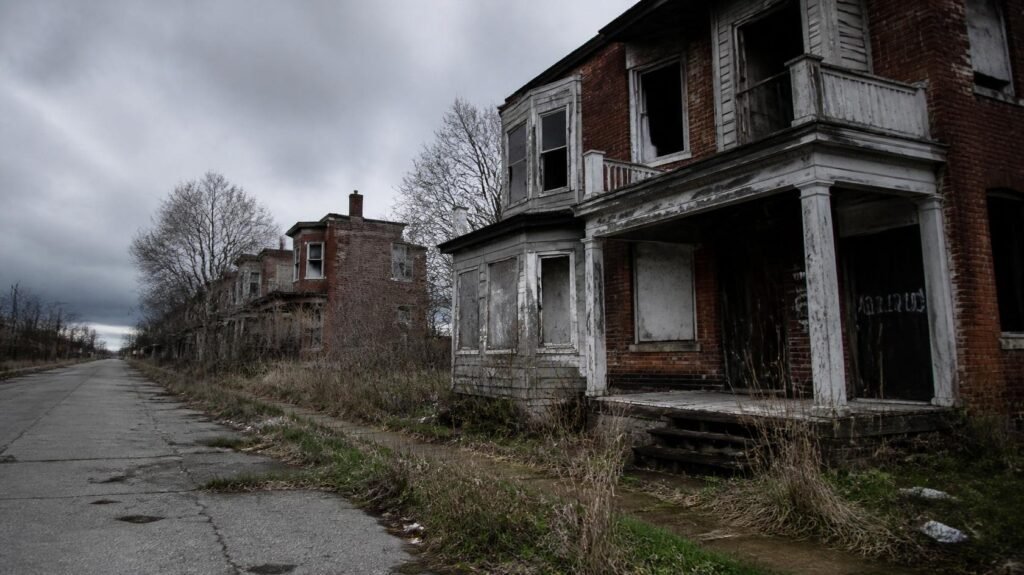
Buying a distressed property can create an opportunity, but it is not as simple as finding a cheap house and making an offer. These properties are often sold because an owner, lender, estate, or government agency is under financial or legal pressure. That pressure may produce a lower price, yet it can also conceal repair bills, title problems, unpaid taxes, occupancy disputes, or financing difficulties.
A buyer should act like an investigator, not a bargain hunter. The goal is to understand why the property is distressed, what it will cost, and whether the return justifies the risk. This guide offers a framework for carefully evaluating distressed real estate.
What Is a Distressed Property?
A distressed property is real estate being sold under circumstances that complicate a sale. The owner may be behind on mortgage payments, facing foreclosure, handling divorce or probate, or struggling with taxes and maintenance. Others are vacant, damaged, poorly managed, or involved in legal disputes.
Common examples include pre-foreclosures, short sales, foreclosure auctions, bank-owned homes, tax sales, inherited properties, and neglected rentals. Each has different rules. A short sale may require lender approval, while an auction may require immediate funds and provide no inspection period. Understand the sale type before calculating value.
Start With a Clear Investment Plan
Before reviewing listings, decide the property’s purpose. You might renovate and resell it, create a long-term rental, live in the home, or hold it for future appreciation.
Each strategy requires different numbers. A flip depends on resale demand, renovation speed, selling costs, and profit margin. A rental depends on achievable rent, vacancy, maintenance, taxes, insurance, management, and financing. An owner-occupied purchase must meet lending standards.
Avoid buying only because the price looks low. The property should support a defined goal, a realistic budget, and a workable exit strategy.
Research the local market.
Location influences property value. Renovations can improve a building, but they cannot easily correct weak demand, poor access, crime concerns, or neighborhood decline.
Study comparable sales, marketing times, rental demand, employment, transport, schools, flood exposure, zoning, insurance costs, and planned development. Compare similar homes by size, age, layout, parking, land, and condition.
Use conservative assumptions. Do not base your offer on the area’s highest sale or a single rental advertisement. Confirm expected resale value or rent through several local sources.
Calculate the Maximum Purchase Price
Set a maximum price before negotiating. Begin with the expected after-repair value, the estimated market value after suitable work is completed. Then subtract every cost needed to reach it.
Costs may include renovation, inspections, permits, title work, legal fees, lender charges, interest, taxes, insurance, utilities, security, cleaning, marketing, commissions, and closing expenses. Add a contingency reserve for hidden problems and delays.
For a rental, calculate net income using realistic vacancy and maintenance allowances. For a flip, include selling costs and the possibility of a lower final price. When the remaining margin is too small, walk away.
Inspect the Property Thoroughly
Distressed homes may contain hidden defects. When access is available, hire a qualified inspector. Specialists may also be needed for the roof, foundation, drainage, sewer, electrical system, plumbing, heating, cooling, mold, or pests.
Look for water stains, odors, wall movement, soft floors, broken windows, unsafe stairs, old wiring, leaks, missing fixtures, and vandalism. Check the attic, basement, crawl space, exterior walls, roofline, and surrounding ground.
Some auction properties cannot be inspected. That uncertainty should reduce your bid. Beginners should be cautious when major systems cannot be evaluated.
Build a Realistic Repair Budget
Do not estimate repairs from appearance alone. Obtain written quotes from dependable contractors and separate the work into categories.
Safety and structural repairs come first, including foundation work, roof replacement, electrical hazards, plumbing failures, mold treatment, damaged heating, or unsafe entrances. Required repairs are those needed for financing, insurance, permits, licensing, or occupancy. Cosmetic upgrades include paint, flooring, cabinets, lighting, fixtures, and landscaping.
Create a written scope of work covering materials, responsibilities, deadlines, and payment stages. Add a reserve because restoring utilities or opening walls can reveal additional damage.
Review Title, Liens, and Ownership
A low price is meaningless if the buyer cannot receive clear ownership. Distressed properties may carry unpaid taxes, mortgage liens, contractor claims, association balances, judgments, code fines, utility debts, or inheritance disputes.
Use a reputable title company or local real estate attorney. Confirm who owns the property, who can legally sell it, which obligations will be paid at closing, and whether any claims may survive the transaction.
Auction rules deserve special attention. Some liens may be removed through foreclosure, while others may remain. Laws vary, so seek local advice about redemption periods, title rights, and eviction procedures.
Check Occupancy Before Closing
A distressed property may still contain owners, tenants, relatives, or unauthorized occupants. Possession may not transfer immediately, even when the buyer receives title.
Review leases, payment records, tenant protections, notice requirements, and possible court procedures. Never remove occupants through threats, utility shutoffs, or pressure. Such actions may be unlawful and create liability.
Include legal costs, lost time, damage, and delayed renovation in your calculations. Obtain professional advice before paying a nonrefundable deposit when occupancy is unclear.
Arrange Suitable Financing
Traditional lenders may reject homes without working utilities, safe access, functional bathrooms, a secure roof, or completed major systems. Options may include cash, renovation mortgages, investor loans, private funding, or short-term hard money.
Compare total costs, not only interest rates. Review origination fees, appraisal rules, inspection requirements, draw schedules, penalties, deadlines, and repayment terms.
Arrange financing early. Distressed sellers often prefer buyers who can prove funds and close reliably, but speed should never replace due diligence.
Make a Protected Offer
Base your offer on verified facts, not excitement. Helpful protections may include inspection, financing, appraisal, title, insurance, and attorney-review contingencies. These clauses allow time to confirm assumptions before the purchase becomes final.
Auctions may not permit contingencies. Set a firm bidding limit beforehand and refuse to exceed it. Competition can quickly turn an opportunity into an overpriced liability.
Treat distressed owners respectfully. Explain terms clearly, document agreements, and avoid pressure. Ethical conduct reduces conflict and protects both parties.
Plan the Renovation and Exit
After closing, secure the property and address safety issues first. Complete essential systems before cosmetic improvements. Use licensed and insured contractors where required, check references, and pay according to completed milestones instead of paying everything upfront.
Track invoices, permits, photographs, warranties, and change orders. Good records support taxes, insurance claims, refinancing, resale, and contractor disputes.
Confirm the exit strategy. Selling, renting, refinancing, or occupying the property should be supported by market evidence. A deal with two workable exits is generally safer than one depending on perfect timing.
Final Thoughts
Distressed property investing can be profitable, but success comes from analysis rather than luck. Strong buyers research the market, inspect the building, verify ownership, calculate costs, arrange financing, and prepare for delays.
Guidance from inspectors, contractors, lenders, title specialists, accountants, and attorneys can prevent expensive mistakes. Their advice should reflect the property’s location and circumstances.
The most important skill is knowing when to walk away. A real opportunity must still work after repairs, legal risks, financing costs, holding time, and conservative assumptions are included.